Turning waste into energy is a new movement that has been applied by large numbers of developed and developing countries to reduce waste and environmental pollution. With the ability to thoroughly treat waste, make use of waste for renewable energy transition, this method is considered a direction for a sustainable development strategy and building a circular economy.
Current status of waste treatment in Vietnam
According to statistics from the Department of Renewable Energy (Electricity and Re-energy Authority- Ministry of Industry and Trade), with a population of more than 93 million people, 35,000 tons of municipal solid waste and 34,000 tons of rural domestic waste are generated every day in Vietnam. Particularly, the amount of waste generated per day is up to 7,000 – 8.00 tons in large urban areas such as Hanoi and Ho Chi Minh City.
About 85% of the current waste in Vietnam is being treated mainly by landfill method. The domestic solid waste transported to most of the landfills has not been sorted at source. This waste includes a high organic composition, which leads to the low stability. Moreover, this waste treatment method occupies a large area of land and generates a large amount of leachate, which causes environmental pollution and bad effects on the health of residents.
Waste-to-Energy (WtE) Trends in the World
Sweden needs to import more waste to supply Wte plants
According to data from the Swedish Waste Management and Recycling Association, about 49% of Sweden’s household waste is recycled, 50% is incinerated in Wte plants, and only less than 1% is buried. Sweden has been using the method of turning waste into power energy for more than 80 years. Although electricity generated from waste accounting only a low rate of the country’s total electricity supply, it has provided heat for 10 million people in the country during the cold months. There is even insufficient waste to supply power plants in Sweden and additional waste has been imported to maintain the treatment plants’ operation.
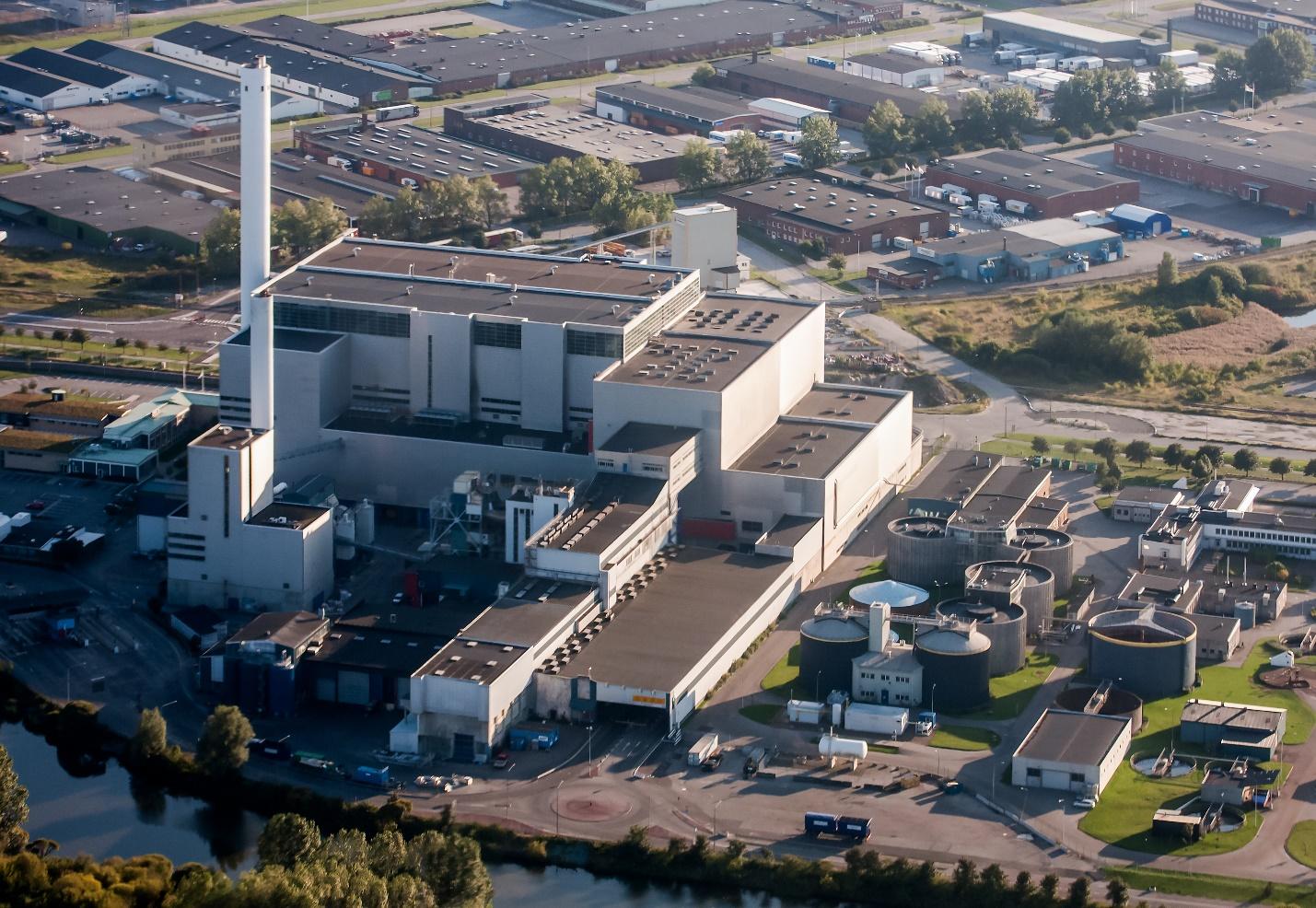
The traditional form of landfilling of MSW at large landfills such as Lim Chu Kang, Choa Chu Kang, Lorong Halus, etc. is the main previous method of waste disposal in Singapore. Today, almost 100% of the MSW in Singapore is transported to WtE plants. According to the data in 2017, 21.1 tons of MSW was generated per day in this country, of which 37% was sorted and considered to be able to burn (equivalent to 7,827 tons/day). Accordingly they were then sent to the WtE plants where some metals were recovered and put into the recycling system. The remaining was burned to generate electrical energy that was supplied to the national grid system with a capacity of 2,565 MWh/d. In early 1979, Singapore built the first WtE plant and put it into operation. Only a few years later, a series of subsequent WTE plant projects were rapidly implemented.
China is the world’s fourth leading country in WtE market
Currently, China has become the world’s fourth leading country in WtE market, after the EU, Japan and the US, with most of the plants located in major cities in the southeast of the country. As of 2016, there were 259 WtE plants in China with a total waste treatment capacity of nearly 75 million tons/year. Despite the relatively high capital costs of developing the WtE market, the Chinese government has been very active in strengthening the capacity of the WtE plants – a measure that brings approximately 30$ per MWh credit instead of using fossil fuels.
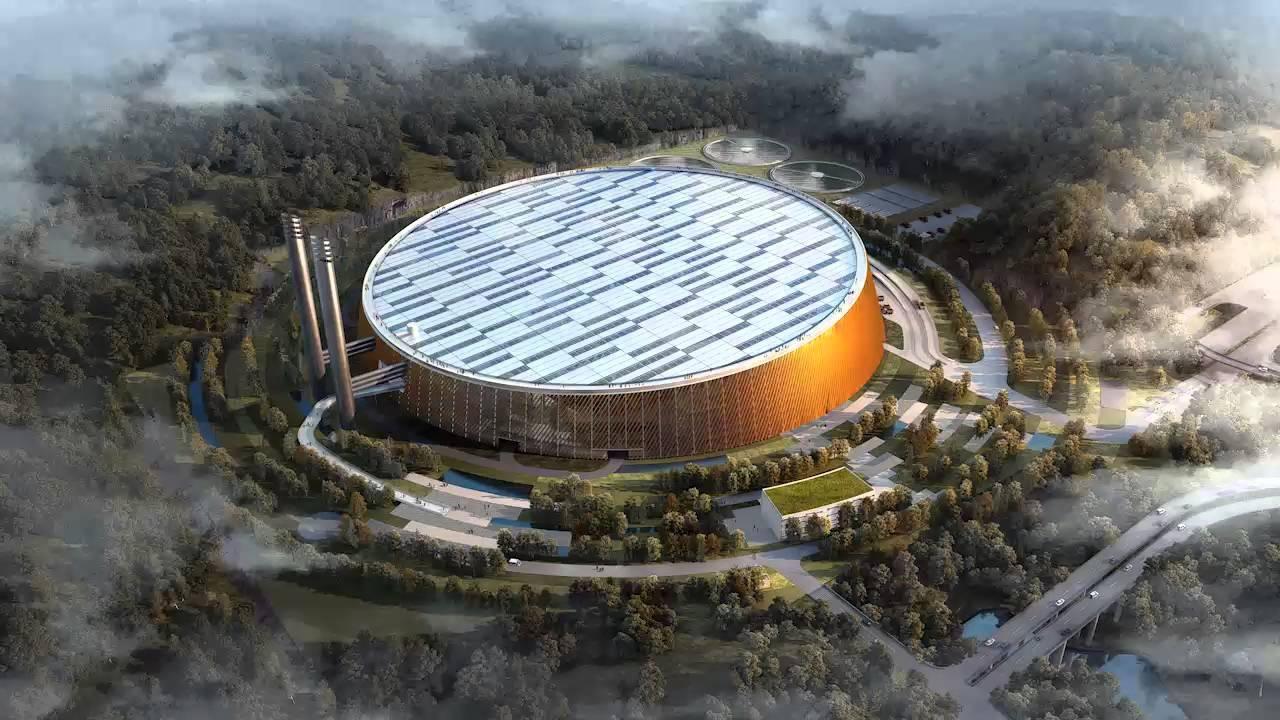
In Japan, as of 2018, Japan had 380 waste incineration facilities for electricity generation, of which 21 high-tech incinerators locates in Tokyo. Japan’s total electricity production from WtE in 2018 was 1,719 GWh.
WtE plants in Vietnam today
In recent years, investment in construction of WtE plants has become a new direction of many businesses. In this movement, some localities also organized the implementation of procedures to attract investment to participate in the waste treatment process. There are some WtE plants put into operation, such as: The WtE plant of EB Environmental Energy Co., Ltd. with designed capacity of 400 tons/day and night, electricity capacity of 7, 5 MW in Can Tho; A pilot project funded by Japan’s New Energy and Industrial Technology Development Organization (NEDO) with a non-refundable aid to Vietnam with a capacity of 75 tons/day and night, electricity capacity of 1,930 kW.
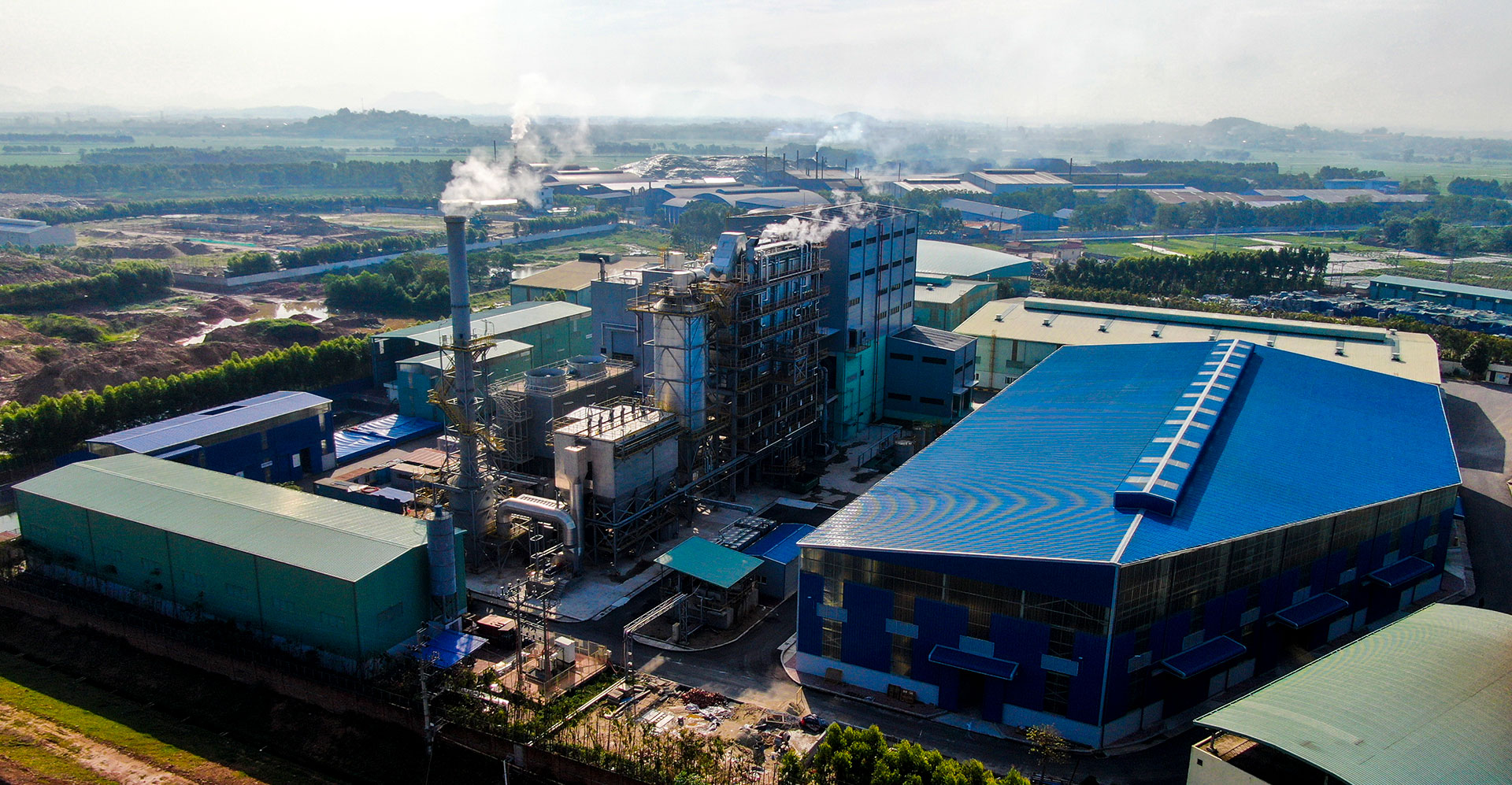
Most recently, Soc Son WtE Plant, the largest WtE plant in Vietnam, has officially joined the national grid with a generating capacity of 15 MW from the incineration of waste in phase 1, can incinerates 800 tons of garbage per day and night.
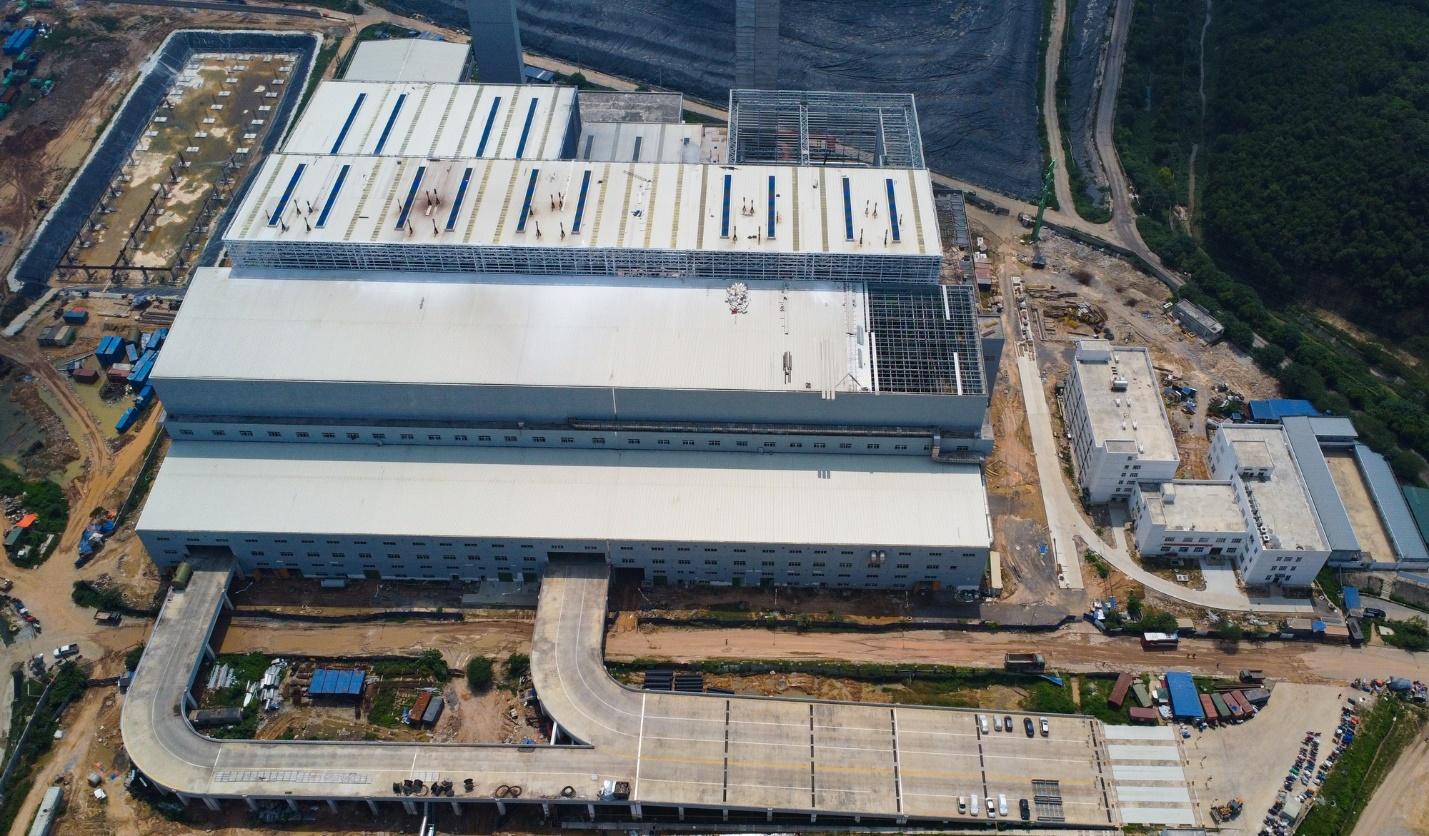
Besides, there are quite a few waste incineration plants that have started construction and are about to be put into operation. Bac Ninh currently has 3 high-tech WtE plant projects, including:
- High-tech WtE plant in Luong Tai district of EU-Conch Venture Bac Ninh New Energy Co., Ltd with waste treatment capacity of 300 tons/day and night, generating capacity of 6.0 MWh. It is expected to officially come into operation in July this year.
- High-tech municipal WtE plant in Ngu Thai commune (Thuan Thanh) of T&J Green Energy Co., Ltd. with a treatment capacity of 500 tons/day; power generation efficiency of 11.6 MW. The company has completed investment dossiers, land procedures, environmental impact assessment reports; electricity agreements; signed a general contractor contract. It is expected to go into operation from the fourth quarter of 2023;
- High-tech municipal WtE plant in Que Vo district of Thang Long Energy Environment JSC with a capacity of 500 tons/day and night, generating capacity of 12MW. It was started first among the 3 WtE plants, but the progress is very slow compared to the province’s requirements.
and other WtE plants in Ho Chi Minh city, Phu Tho,…
The cause of the delay in WtE projects usually is that “investors have not fully anticipated the difficulties in implementation”. The enterprises have many drawbacks in developing projects on their own, therefore, government support is essential. “The state must stand out to support and work together with enterprises, otherwise, it will be very difficult for the private sector to get success on WtE projects or easy to lead to a cheap and outdated solution.”, Assoc.Prof.Dr. Dinh Van Thuan (Chairman of Bach Khoa Refrigeration Engineering Corporation) said.